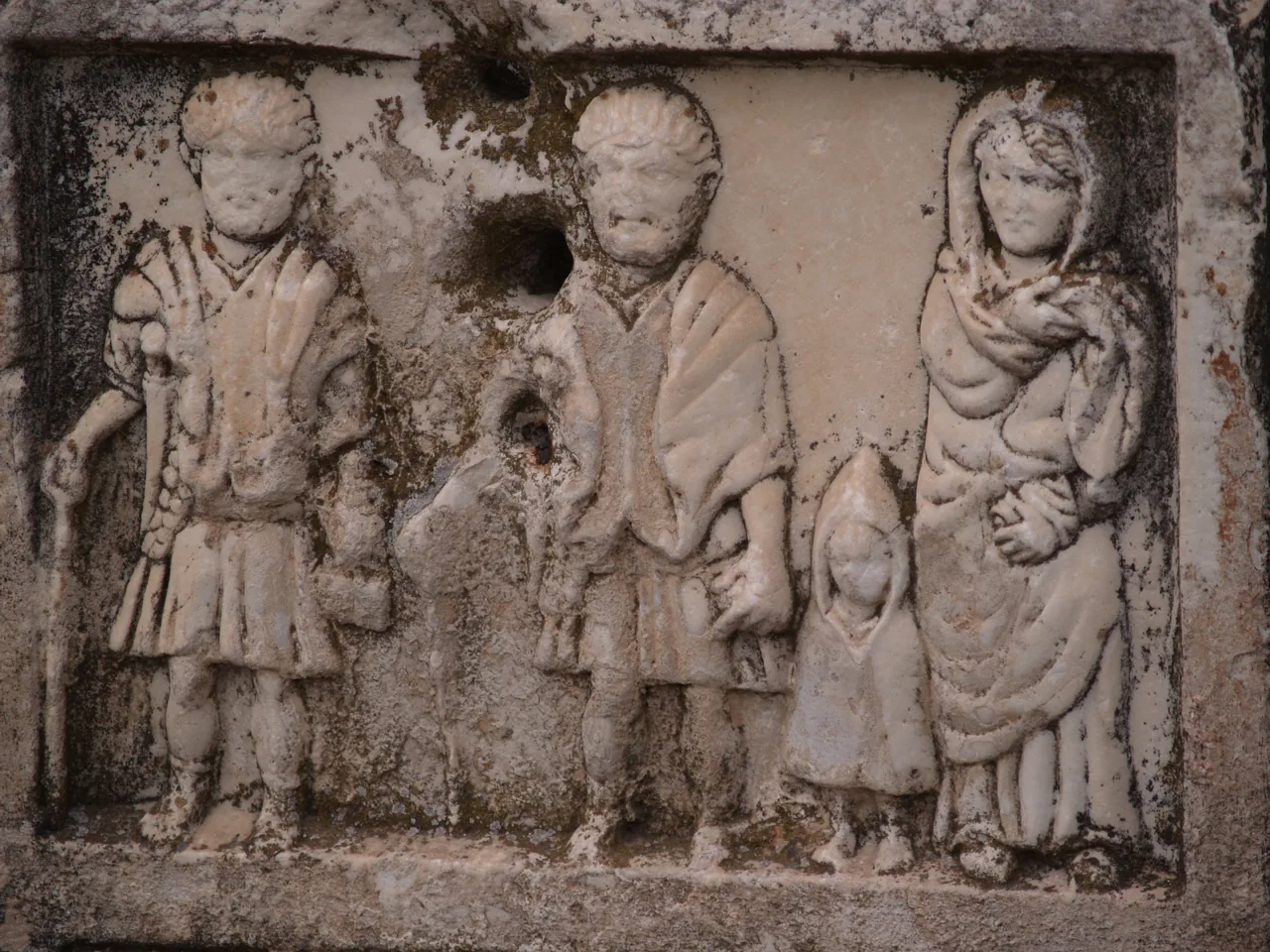
Why visit Stobi
Why visit Stobi
A city that outlasted empires
Stobi began as a Paeonian settlement, was annexed by Philip V of Macedon in 217 BC, and grew into a Roman municipium by 69 BC — eventually becoming capital of the province of Macedonia Salutaris. Emperor Theodosius I visited in 388 AD. Few sites let you trace such a long arc of ancient history on a single afternoon walk.
The mosaic on the money
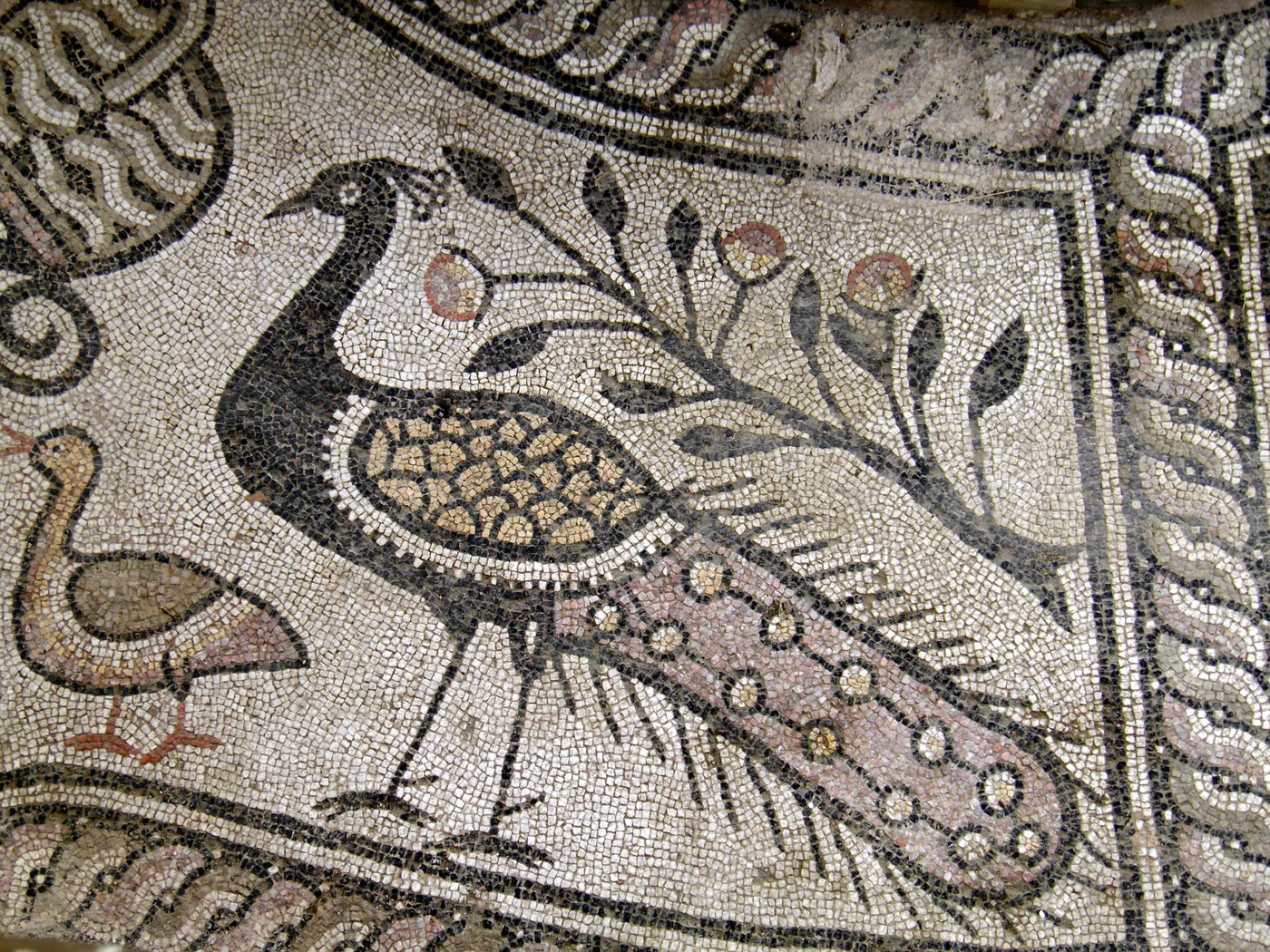
In the baptistery of the Episcopal Basilica, a mosaic peacock has survived since the 5th century — a striking piece of early-Christian art so recognisable that it appears on North Macedonia's 10-denar banknote and coin. Seeing it in place, rather than in a museum case, is one of Stobi's real highlights.
Rome, faith and history without the crowds
Stobi's theatre, basilicas, baptistery, synagogues and residential complexes like the House of Peristerius trace the city's shift from pagan Rome to an early-Christian episcopal see by 325 AD. Set against Vardar valley views, it's a rewarding site that sees a fraction of the visitors that Greece or Italy's Roman ruins do.
What to see at Stobi
What to see at Stobi
Stobi is a walkable site tracing the city's Roman and early-Christian centuries. These are the things to look for as you go.
- The theatre
Civic life on stage
Stobi's Roman theatre anchors the site and gives a sense of the city's civic ambitions at its height as a provincial capital.
- Episcopal Basilica
Faith after Rome
The city's largest church complex reflects Stobi's rise as an early-Christian bishopric — it became an episcopal see by 325 AD.
- The peacock mosaic
Art on the currency
In the basilica's baptistery, a 5th-century mosaic peacock survives in place — famous enough to appear on North Macedonia's 10-denar note and coin.
- Northern & Central Basilicas
A city of churches
Multiple basilicas across the site show how thoroughly Stobi's civic life was reorganised around Christianity in its final centuries.
- House of Peristerius
Roman domestic life
This residential complex, along with the Palace of Theodosius, gives a glimpse of how Stobi's wealthier citizens actually lived.
- Synagogues
A layered community
Archaeological evidence of Jewish presence from the 2nd–4th centuries adds another layer to Stobi's religiously diverse history before its Christian era.
The day trip from Skopje
The day trip from Skopje
Stobi sits south of Skopje near Gradsko, so almost everyone visits on a guided day trip — here's how it works.
About 90 minutes from Skopje
Stobi is roughly 90 minutes from Skopje by road, making it a comfortable half-day or full-day trip depending on what else you add.
Often paired with Tikveš wine tastings
The strongest-rated tours combine Stobi with the nearby Tikveš wine region, North Macedonia's largest wine-producing area — ruins in the morning, tastings in the afternoon.
What tours include
Day trips generally bundle round-trip transport from Skopje, a guide, and site entrance; wine-focused options add tastings and sometimes a traditional Macedonian breakfast. Check exactly what your chosen option includes when you book.
On site
The site is open and largely flat, with some walking between the theatre, basilicas and residential areas — comfortable shoes and sun protection are enough for most of the year.
Stobi, in pictures
Stobi, in pictures
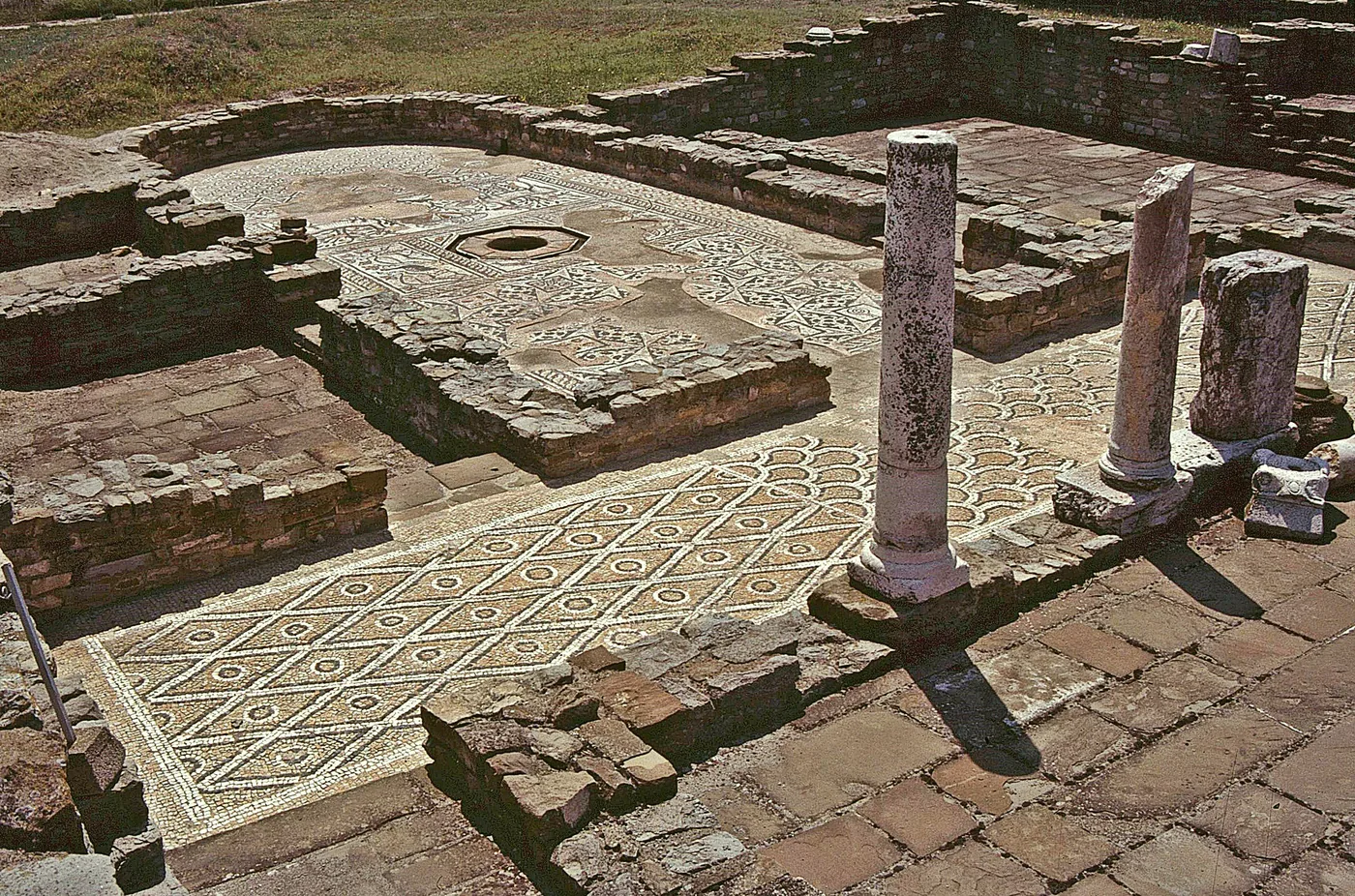
The peacock mosaic and basilica ruins of Stobi, North Macedonia.
Tour options & what's included
Tour options & what's included
| Option | What it includes | Good to know |
|---|---|---|
| Stobi & Tikveš wine day trip | Transport, guide, entrance, 6 wine tastings | Top-rated, the most popular option |
| Stobi from Skopje (ruins only) | Transport, guide, entrance, no wine | Best if you just want the ruins |
| Stobi + Heraclea Lyncestis | Private tour combining two Macedonian Roman sites | For a deeper Roman North Macedonia day |
| Stobi, Prilep, Kruševo & Bitola | A longer multi-stop day across the region | For travellers wanting more of the country |
Ways to visit Stobi
Find a Stobi tour for your dates
Every option below is bookable through GetYourGuide, with live availability and the final price shown in your own currency before you pay.
Planning your visit
Planning your visit
Pair it with wine or another site
The best-rated tours add Tikveš wine tastings or Heraclea Lyncestis, another Macedonian Roman site — either makes the 90-minute drive from Skopje more worthwhile.
Look for the peacock mosaic
It's easy to walk past the baptistery without realising its significance — ask your guide to point out the peacock mosaic, one of Stobi's most historically important survivals.
Wear comfortable shoes
The site is largely flat and open, but covers real ground between the theatre, basilicas and residential quarters — comfortable footwear and sun protection help.
Go with a guide
Stobi's story spans Paeonian, Macedonian, Roman and early-Christian periods — a guide connects the theatre, basilicas and mosaics into one coherent narrative rather than a scattered ruin field.
Booking flexibility
Listings typically offer free cancellation up to 24 hours before, so you can lock in a departure and adjust later if your Skopje plans change.
Planning a Stobi day from Skopje
Planning a Stobi day from Skopje
GEO/FAQ
Stobi visit questions
What is Stobi?
Stobi is an archaeological site in North Macedonia, near Gradsko, at the confluence of the Erigon and Vardar rivers. Originally a Paeonian settlement, it was annexed by Philip V of Macedon in 217 BC, became a Roman municipium in 69 BC, and eventually capital of the province of Macedonia Salutaris. It later became an early-Christian episcopal see before being destroyed by an earthquake in 518 AD.
What is the peacock mosaic?
A 5th-century mosaic in the baptistery of Stobi's Episcopal Basilica depicting a peacock — an important piece of early-Christian art so well known in North Macedonia that it appears on the country's 10-denar banknote and coin.
How do I get there from Skopje?
Stobi is about 90 minutes from Skopje by road. Almost everyone visits on a guided day trip, often combined with wine tastings in the nearby Tikveš region or with Heraclea Lyncestis, another Macedonian Roman site.
Is it worth the day trip?
If you're interested in Roman or early-Christian history, yes — Stobi is one of North Macedonia's most significant archaeological sites, with a genuine arc from Paeonian settlement to Roman provincial capital to Christian bishopric, and sees far fewer visitors than comparable sites in Italy or Greece.
What will I see there?
The highlights are the theatre, the Episcopal Basilica and its peacock mosaic, the Northern and Central Basilicas, the House of Peristerius, and evidence of the city's Jewish and early-Christian communities.
Can I combine Stobi with other sites?
Yes — the most popular bookable tours combine Stobi with Tikveš wine tastings, and other options add Heraclea Lyncestis or a longer day covering Prilep, Kruševo and Bitola. Each option's inclusions and live price are shown in the booking widget.
Still deciding which Stobi tour, or which day?
Leave your email and roughly when you're travelling — we'll send a short rundown of how the Stobi day trips from Skopje compare and what's included.